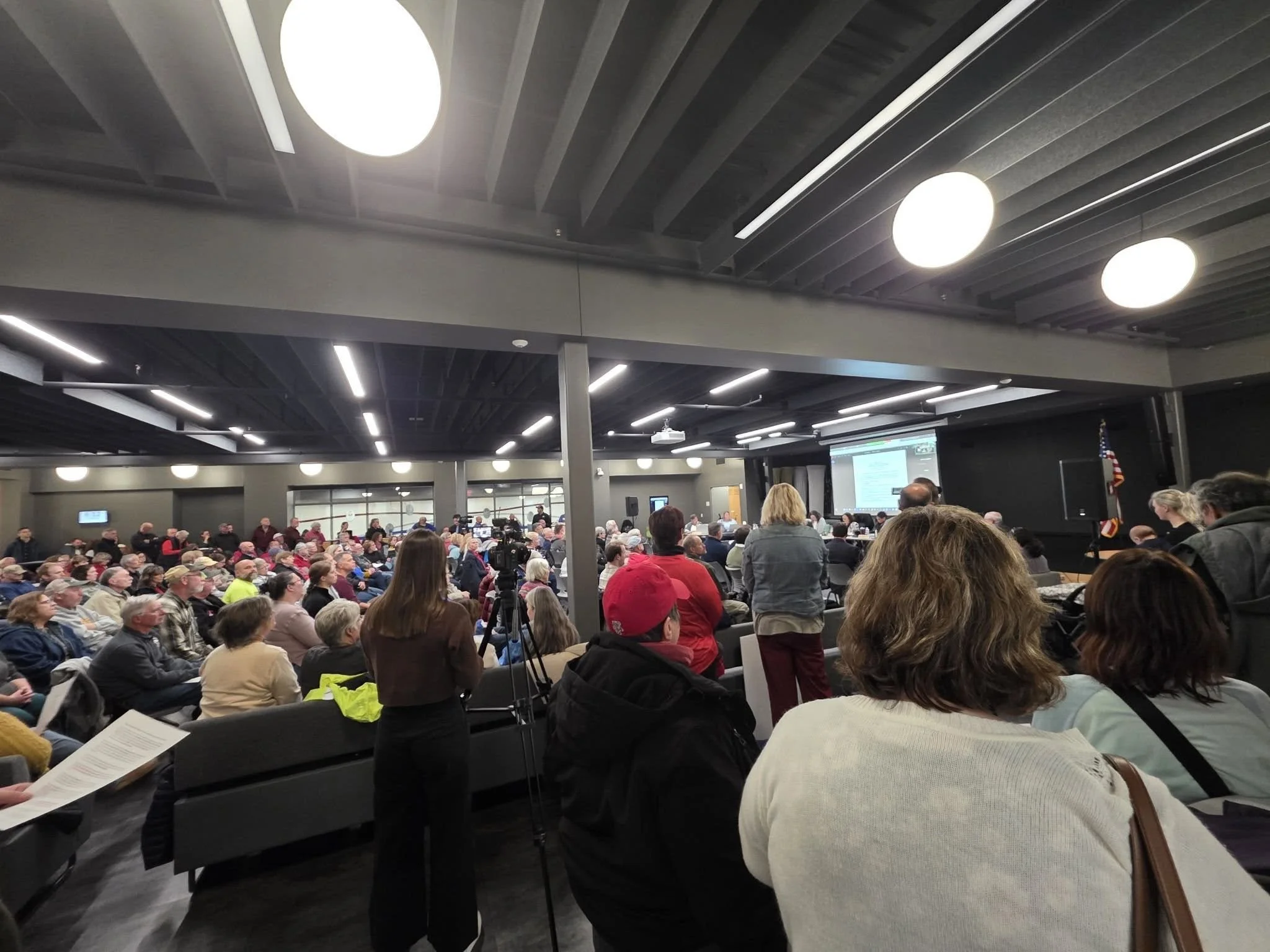
ORAL HISTORY & NARRATIVE WRITING PAGEWhat happened in DeForest was truly extraordinary, and it all came about because of the even more remarkable humans who stepped up and took a Hyperscale Data Center Developer head on.
Telling the story of the people who lived it.
The QTS fight cannot be understood through public records alone. I conducted oral-history interviews with organizers, public officials, farmers, business owners, and residents to preserve the personal record of the campaign.
Each narrative profile was built from interview transcripts and checked against available records. My goal was to create writing that was readable and scene-driven without separating it from the historical evidence underneath it.
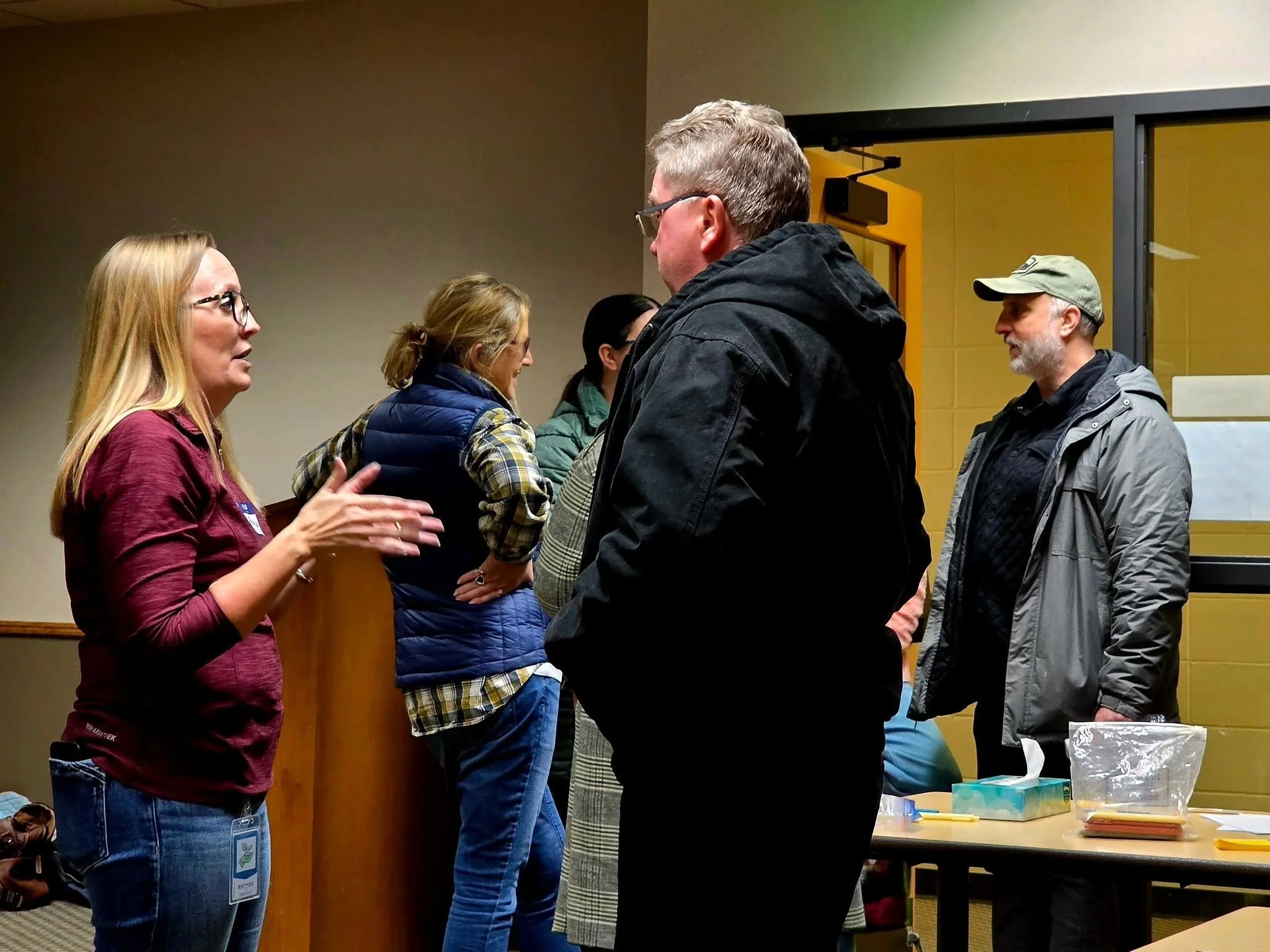
Oral History Interview Series
I prepared research-based questions, conducted interviews, transcribed and indexed conversations, identified significant quotes, and used the material to build narrative profiles and historical scenes.
Skills Demonstrated
Oral history · Interview design · Active listening · Transcription · Narrative research · Ethical storytelling
Narrative Nonfiction Profiles
Rhonda Meinholz: The Farm is a Family Member
Rhonda’s family history with eminent domain and Highway 51 shaped her refusal to accept another industrial project consuming land and changing the lives around it.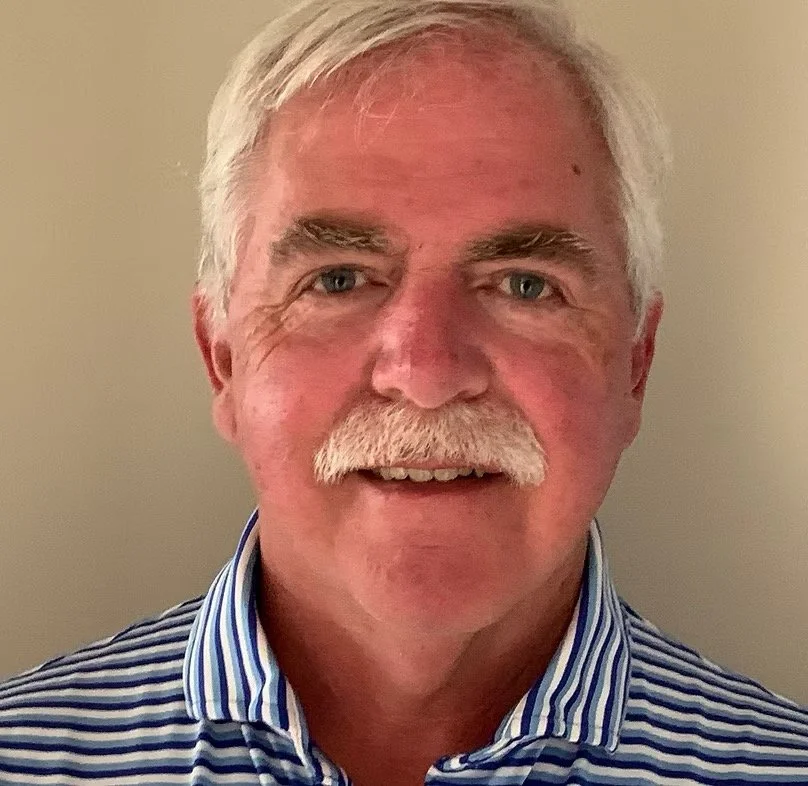
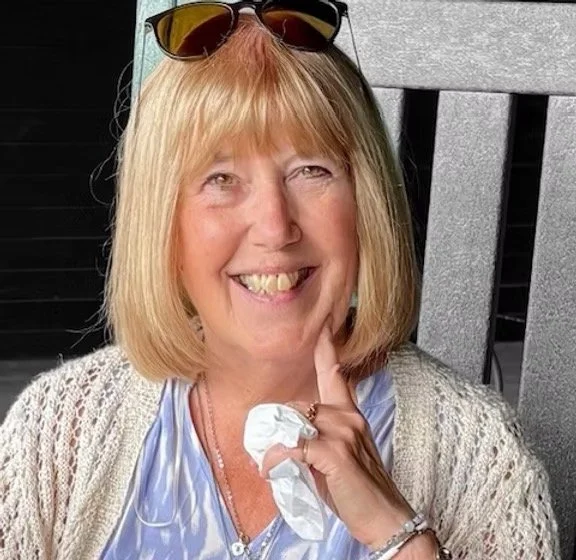
Shawn Haney: Distance Can’t Stop an Open Records Request
Nancy Roth: The Lesson of the Quarry
Nancy’s earlier quarry fight taught her that major development often begins in secrecy and that ordinary people must research what powerful interests will not explain.Shawn's experience with municipal process, public records, and campaign strategy was a vital component to the success of No Data Center DeForest. His knowledge and insight was pivotal, even as he spent most of the winter in Florida.I wrote narrative profiles to preserve the human record of the QTS fight. Each profile uses oral history, recollections, and scene-based writing to show how the proposal affected people differently depending on where they lived, what they owned, and what they understood about local government. I wanted the narrative profiles to be a reflection of the person being interviewed, rather than a perfectly fact-checked operation. I used their interviews, timelines, and notes to form each individual profile.
Ripe for the Taking
How a Wisconsin Community Stopped a 1,600-Acre Data Center