Critical Infrastructure, Critical Resistance
Hyperscale Data Centers and Resource Extraction in Indigenous North America
Generative AI is being sold as a clean, frictionless revolution, with algorithms in the cloud and innovation at the speed of thought. However, AI does not float above the earth; it sits on it. It is built from mines, chip plants, hyperscale data centers, transmission lines, and water pipelines that all have to go somewhere. Increasingly, that “somewhere” is on or near Native lands, in communities that have already lived through uranium mines, nuclear plants, and oil pipelines.
In Indian Country today, the question is not whether AI is exciting. The question is whether data centers on or near Native lands are a path to sovereignty, or simply the latest form of extraction dressed up as opportunity.
This article builds on a public presentation I gave on hyperscale data centers and Indigenous sovereignty in spring 2026, expanding that talk into a written analysis intended for a broader audience. Fair warning, an activist life is an exhausting life and I am properly exhausted while giving that presentation.
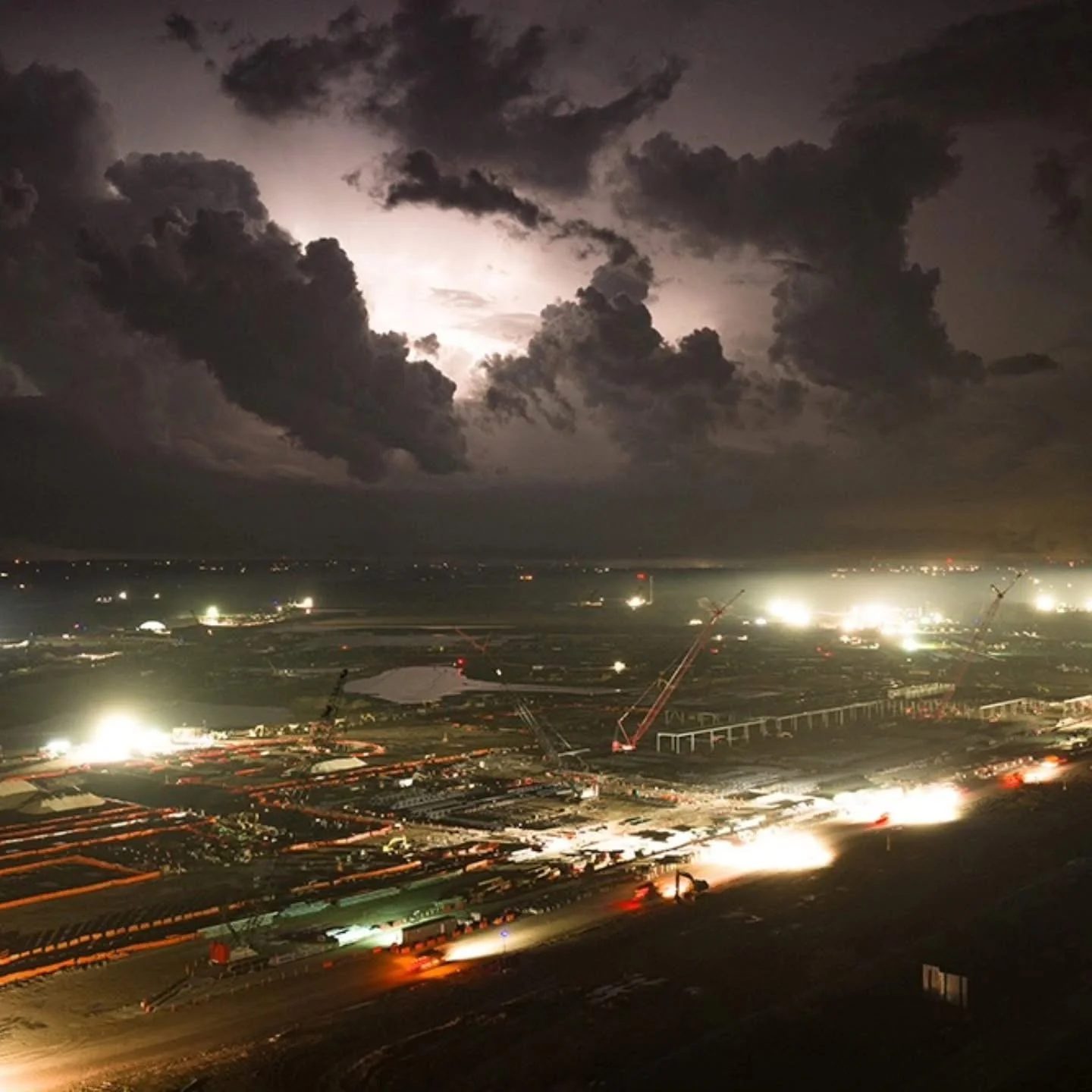
The Digital Frontier: How Hyperscale Data Centers Revive Old Patterns of Extraction on Native Lands
Old laws, new infrastructure.
The physical buildout of AI sits on top of a legal and political scaffolding that is more than a century old. The Mining Act of 1872 still governs hardrock mining and keeps in place a framework that has long privileged mineral extraction over Indigenous land rights and public health. In the mid twentieth century, nuclear projects displaced communities like the Wanapum, and uranium mining on Navajo Nation left behind contamination that still affects land and water.
That same logic surfaced again when the Dakota Access Pipeline was routed half a mile upstream from the Standing Rock Sioux Reservation, over tribal objections that centered a simple truth in Lakota: Mní Wičhóni, or “water is life.” Today’s data center boom is marketed as something entirely different, but it raises nearly identical questions about who controls land, water, and risk.
Water is life, even in the cloud.
“Water is life” is not a hashtag borrowed from 2016. DAPL may have brought it into the collective awareness of the United States public but it is, at its core, the golden rule for all civilization and recognized by Indigenous people since the beginning of time. It is a living innate policy, made by nature instead of man, about survival, responsibility, and relationship with all beings on this earth. It is tied to ceremony, food systems, treaty rights, and future generations, all of which depend on specific rivers, lakes, and aquifers.
Hyperscale data centers collide directly with that framework. A single facility can consume up to 5 million gallons of water per day just for cooling, which is roughly 1.8 billion gallons a year. Chip fabrication, which supplies the CPUs and GPUs that power AI, adds another layer. One plant can use around 10 million gallons of ultrapure water every day, often leaving that water permanently contaminated and no longer potable.
When those withdrawals come from arid basins or shared watersheds that sustain Indigenous nations, as with the Pyramid Lake Paiute Tribe in Nevada whose reservation encircles a single finite lake, the stakes are not abstract. They are the difference between a lake that can sustain life and a lake that cannot.
Every server farm is a mining story.
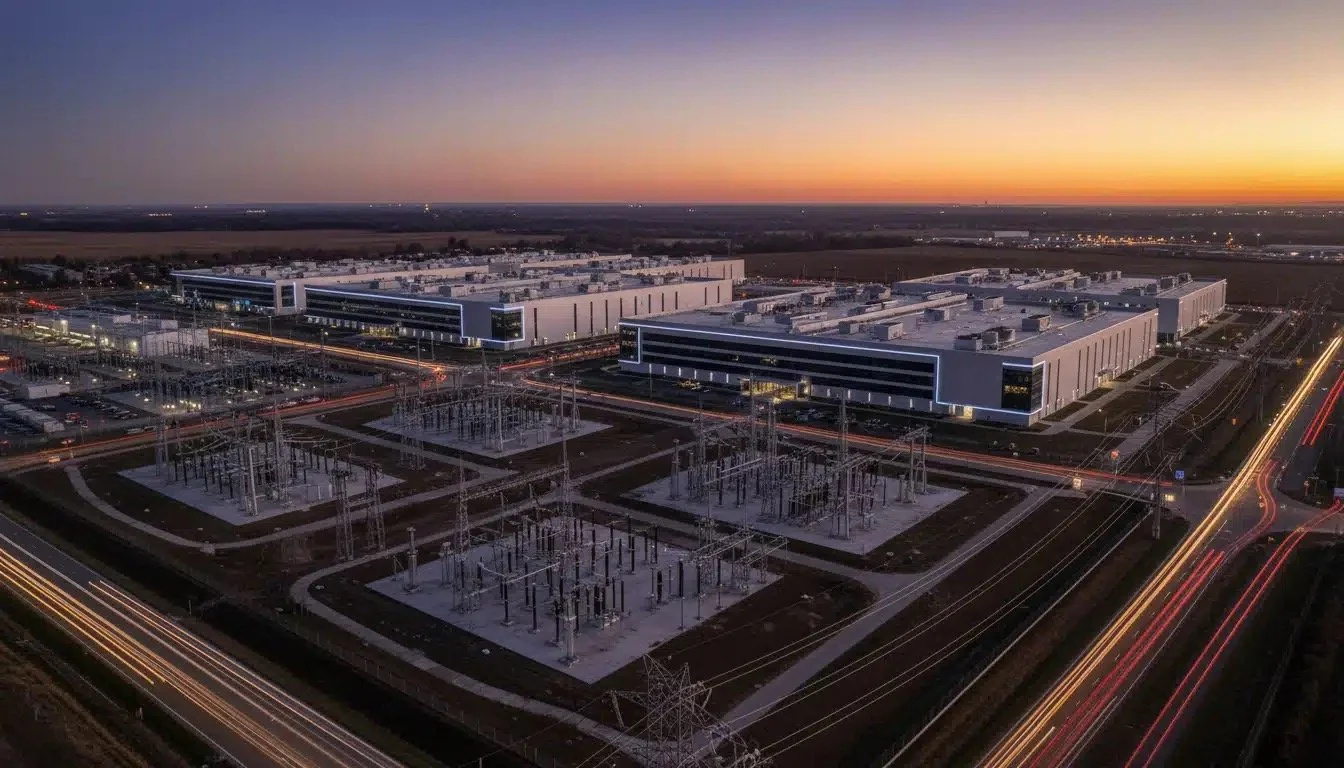
Every data center is also a mining footprint. The aluminum in heat sinks, the copper in transmission lines, the silicon and rare earth elements in chips, and the silver and palladium in circuit boards all come from somewhere, and that “somewhere” is often Indigenous land. Federal “critical minerals” policy is now fast tracking mining for chips, batteries, and grid build out in the name of national security and energy transition.
Political scientist Thea Riofrancos has warned that data centers are not a clean replacement for older forms of extraction. Instead, they are an additional industry that has been layered on top of existing mining and energy systems. The same lithium that could power a transit bus can just as easily power an electric Hummer, a missile system, a TV remote, or an AI server rack. The underlying question remains the same: who decides which use wins, and who lives with the waste.
Why tribal lands are in the crosshairs
Industry narratives often claim that data centers are simply following market signals. A closer look at where these projects land reveals a pattern. Reservations and adjacent rural areas offer large, contiguous parcels of land that can host buildings of 50,000 to more than 100,000 square feet and campuses that span hundreds or even thousands of acres.
Sovereign status, which exists to protect Indigenous self determination, is being interpreted by some developers as a shortcut around state zoning, utility commission oversight, and environmental rules. Many tribes are approached before they have industrial scale zoning, utility codes, or environmental review processes in place, and those gaps become entry points for large projects.
Decades of underinvestment, along with high poverty rates and limited revenue sources, mean that promises of jobs, tax base, and broadband can create intense economic pressure. Community members are often told that saying no to a data center is the same as turning down a once in a generation opportunity, even though earlier waves of extractive development rarely delivered anything close to the benefits that were promised.
All of this is often wrapped in secrecy. Non disclosure agreements and letters of intent can prevent tribal councils from sharing basic facts, such as water withdrawals, energy demand, and even the developer’s name, with their own citizens until the deal is effectively done.
Case study: Muscogee Creek Nation
In Oklahoma, a proposed data center would have transformed Looped Square Ranch, a 5,570 acre site located in the Muscogee Creek Nation reservation that is dedicated to food sovereignty through cattle, meat processing, hunting, fishing, gathering, and 4 H youth programs, into the Mvskoke Tech Park.
Under non disclosure agreements, key details about water use, power demand, and the developer’s identity were kept from the public. Citizens responded by organizing town halls across the 11 county reservation, raising concerns about electric rates, water supplies, and the loss of land held in common. In November, the National Council voted 4 to 11 against the bill, rejecting the rezoning and sending a clear message that not every “opportunity” aligns with tribal values.
Case study: Pyramid Lake
For the Pyramid Lake Paiute Tribe in Nevada, the reservation completely surrounds Pyramid Lake, a desert lake that sustains culture, ecology, and economy. A planned industrial park in the Reno area, which included data centers, threatened this finite water supply. For a closed, arid basin, water is the line. Once it is over allocated, there is no replacement.
Case study: Tonawanda Seneca
In western New York, the Tonawanda Seneca Nation faces a multi billion dollar data center project adjacent to tribal territory, which threatens an old forest used for hunting, fishing, and gathering traditional medicines. What is at stake is not just acreage on a map, but treaty protected uses and ways of life that have survived generations of industrial encroachment and legal marginalization.
Sacrifice zones in the age of AI
The Cold War Era left quite a legacy. One being “sacrifice zones.” The federal government said that these were lands that were considered disposable for the benefit of national priorities. What they really were: people our government had decided were disposable for the benefit of warfare and corporations.
Later, environmental justice advocates began to use the term “sacrifice zones” to describe places that have been permanently impaired by intensive industrial activity, where people and land absorb the costs of growth elsewhere. These zones are not randomly distributed. They cluster in Indigenous, Black, Brown, and rural communities that have less political and financial power to say no in ways that hold up in court or in policy.
Hyperscale data centers fit directly into that pattern. They concentrate energy demand, water withdrawals, and heat in specific locations, while the primary financial benefits flow to distant technology companies and investors. Indigenous leaders have described these projects as part of a “Death Cycle of AI,” a system that runs from mineral extraction through energy buildout and compute, and onward into surveillance and the repression of those who resist.
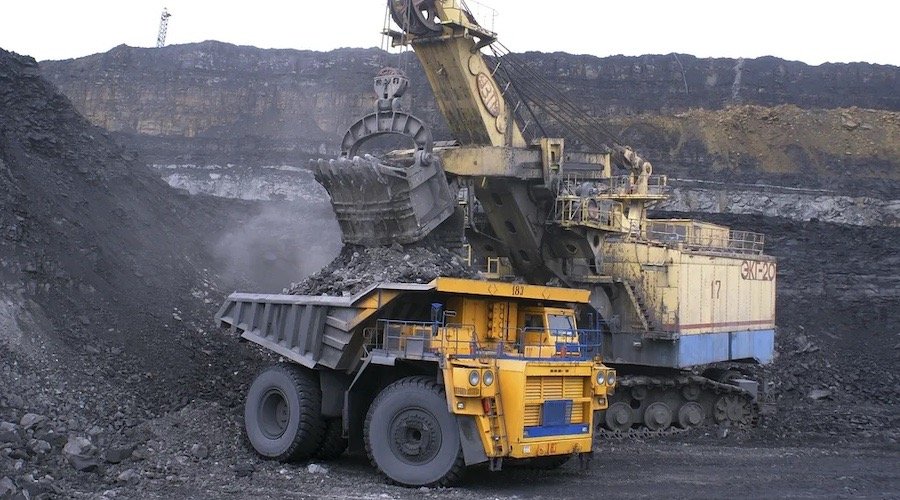
They take all the benefits from the land and leave their harms behind.
The legal terrain: sovereignty, water, and the right to refuse
On paper, tribal sovereignty is a powerful shield. Tribes that have obtained “treatment as a state” status under Section 401 of the Clean Water Act can certify, condition, deny, or waive federal permits that may discharge into their waters, and federal agencies must incorporate those conditions into any final license. Sovereignty also includes the authority to create zoning, utility codes, and environmental review standards that are tailored to industrial projects, along with the inherent right to refuse development entirely.
In practice, however, federal “consultation” requirements rarely add up to consent. Agencies can hold meetings, take comments, and still approve projects over tribal objections, particularly when complex proceedings at bodies such as FERC or under NEPA demand technical expertise and constant monitoring that many communities do not have the staff or budget to sustain. In addition, obtaining treatment as a state status is a ridiculously onerous process with little guarantee of success. And once a Nation has obtained it, understanding it in full is near impossible due to the cloudiness regarding federal and state policies, as well as courtroom decisions leaving much for interpretation.
At the same time, federal permitting reforms such as the SPEED Act are narrowing environmental review, limiting it to effects that have a “reasonably close” causal relationship and sidelining cumulative impacts. For projects tied to data centers, this means that the combined burden of mines, transmission lines, power plants, and water withdrawals may simply disappear from the legal record.
The federal government is also moving to label Data Center infrastucture as critical. This move will mean speaking against Data Centers, developers, and Big Energy will become only more dangerous. These moves are happening daily: The Army has announced it will welcome data center development on Army bases, in exchange for in-kind payment. Data Centers are war infrastructure now. The Federal Energy Regulatory Commission, chaired by Trump appointee Laura Swett, plans to test the limits of federal power while expanding the energy economy in the United States. Swett refers to her role as being one meant to serve clients (I didn’t know the Federal Government was a corporation whose only interests are financial?!?! </sarcasm>) as she plans to aggressively push boundaries to “secure effective results … and with a very calculated determination that we will win.”
Resistance, repression, and the cost of speaking out
When communities push back, they often face not only corporate opposition but also legal retaliation. During and after the Dakota Access Pipeline protests, Indigenous leaders and their allies encountered Strategic Lawsuits Against Public Participation, or SLAPP suits, that were designed less to win in court than to exhaust and intimidate them.
Oglala Lakota and Northern Cheyenne organizer Krystal Two Bulls was targeted with RICO claims from one of the pipeline’s owners, Energy Transfer, in a case brought by attorneys who also represented Donald Trump. Those claims were eventually dismissed with prejudice, which prevented refiling, but the message was clear: defending land and water can be criminalized and framed as organized crime. As data centers and related infrastructure are reclassified as “critical infrastructure,” similar tools can be aimed at those who protest AI’s physical footprint.
Krystal Two Bulls, the Executive Director of Honor the Earth, has continued advocating for Tribal Nations and the land we call home, as she has been a leader in the resistance against Data Center development. Honor the Earth’s site hosts a Data Center Tracker that relies on individual input about proposed, under construction, operating, and wins against data centers. They also have a campaign toolkit for communities looking to organize against a proposed Data Center.
Indigenous led alternatives
Despite the scale of the forces at play, the story is not only one of defense. Across Turtle Island, Indigenous leaders are advancing alternatives that aim to “bottom out the system” by building local sovereignty from the ground up.
In Wisconsin, Dawn Moneyhan of the Little River Band of Ottawa Indians is piloting walipinis, or traditional underground greenhouses, paired with micro hydro power as an explicit sovereignty practice. The goal is to make communities self reliant in food and energy so that outside corporations can no longer justify building unwanted infrastructure on or near their lands. Moneyhan is also looking for those with engineering experience who would wish to help make micro hydropower more feasible, and usable year round even in places that experience extreme cold, like the midwest.
Native technologists and researchers are also sketching a very different vision of “digital sovereignty.” In that vision, small, tribally controlled compute sites focus on local data, use water light cooling, and are governed by tribal law that determines what is stored and how it is used. Infrastructure still exists, but at a scale and under rules defined by Indigenous nations themselves.
Saying no, and making it stick
Some nations are choosing a straightforward response: pause all development before conditions are locked in. In March 2026, the Seminole Nation of Oklahoma’s council voted unanimously for a full moratorium on hyperscale data centers and generative AI development on tribal lands, after a startup approached them with a non disclosure agreement and a letter of intent. The Sault Ste. Marie Tribe of Chippewa Indians followed with its own indefinite moratorium, which requires environmental, cultural, and energy impact assessments and community input before it can be lifted.
Important to note, these tribes are not declaring technology as bad. Instead, they are insisting that any future projects must meet standards set by the Nation, rather than by state or federal regulations, or alternatively, a developer’s willingness to exploit their sovereign status to further their own goals. They assert that sovereignty includes the right to refuse, the right to set conditions, and the right to define what the land is for.
The core question facing Indian Country, and the United States more broadly, is not whether data centers and AI will exist. The real question is where they will be built, who will control them, and who will bear the cost. Data centers on or near Native lands are not destiny. They are decisions made by specific actors under specific laws, and those decisions can be unmade or remade.
If sovereignty truly includes the right to say no, then the work ahead is clear. The United States and its people must stand in solidarity and support the implementation of legal, material, and political conditions so that when Indigenous nations draw a line for water, for land, and for future generations, that boundary actually holds.